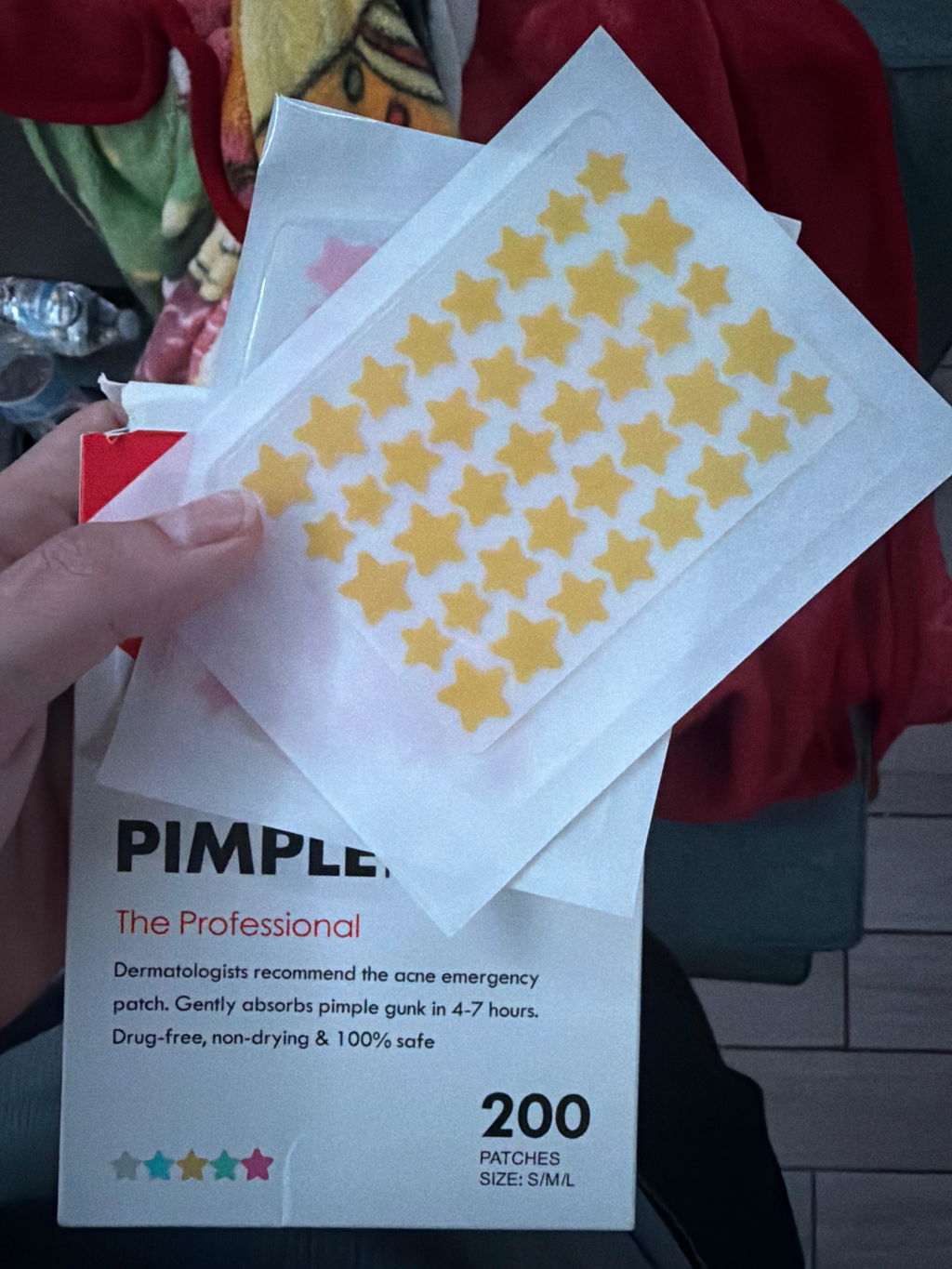
The Science Behind Pimple Patches
Pimple patches might look like tiny stickers, but they're one of the most effective spot treatments in modern skincare. Here's why they actually work — and how to get the most out of them.
What Are Pimple Patches?
Pimple patches are small, thin hydrocolloid dressings applied directly over a blemish. Originally developed for wound care, hydrocolloid technology works by absorbing excess fluid and creating a moist, protected environment that accelerates healing.
How Do They Work?
When you place a pimple patch over a blemish, the hydrocolloid material draws out pus, oil, and impurities from the pore. At the same time, it forms a barrier that protects the area from bacteria, dirt, and the urge to pick — one of the biggest causes of scarring and prolonged breakouts.
After several hours (or overnight), you'll often notice the patch has turned white or opaque — that's the absorbed fluid, and a sign it's doing its job.
Types of Pimple Patches
- Flat hydrocolloid patches — Best for whiteheads and surface-level pimples that have already come to a head.
- Microneedle patches — Contain tiny dissolving needles that deliver active ingredients (like salicylic acid or niacinamide) deeper into the skin, ideal for cystic or under-the-skin blemishes.
- Medicated patches — Infused with ingredients like tea tree oil or centella asiatica to calm inflammation while healing.
How to Use Them Right
- Cleanse your skin first. Always apply a patch to clean, dry skin. Oil or moisture will prevent it from adhering properly.
- Choose the right patch for your blemish. Surface whiteheads respond best to flat patches. Deeper, painful bumps benefit from microneedle or medicated options.
- Apply and leave it. Press the patch firmly over the blemish and leave it on for at least 6–8 hours, or overnight for best results.
- Don't reapply the same patch. Once a patch is saturated, discard it. Using a fresh patch on the same spot is fine if needed.
- Follow up with your routine. After removing the patch, continue with your regular skincare — moisturizer and SPF during the day.
Common Mistakes to Avoid
- Applying over moisturizer or sunscreen — the patch won't stick
- Using on dry, flaky skin without prepping first
- Expecting overnight results on deep cystic acne — these take time and may need multiple applications
- Picking at the blemish before applying — this can worsen inflammation
The Bottom Line
Pimple patches are a gentle, non-irritating, and highly effective tool for managing breakouts — especially when used correctly. Whether you're dealing with a last-minute whitehead or a stubborn under-the-skin bump, there's a patch designed for it. Consistency and proper application are key to seeing real results.